

Technology plays a central role in modern life, whether for business, education, creative work, or personal use. While computers have become increasingly powerful and efficient, the pace at which new devices are released has also contributed to a growing environmental challenge. Millions of electronic devices are replaced each year, often long before they have reached the end of their useful life.
As awareness of sustainability continues to grow, many consumers and organisations are looking for ways to reduce their environmental impact without sacrificing performance or productivity. One option that has gained significant attention is purchasing refurbished technology.
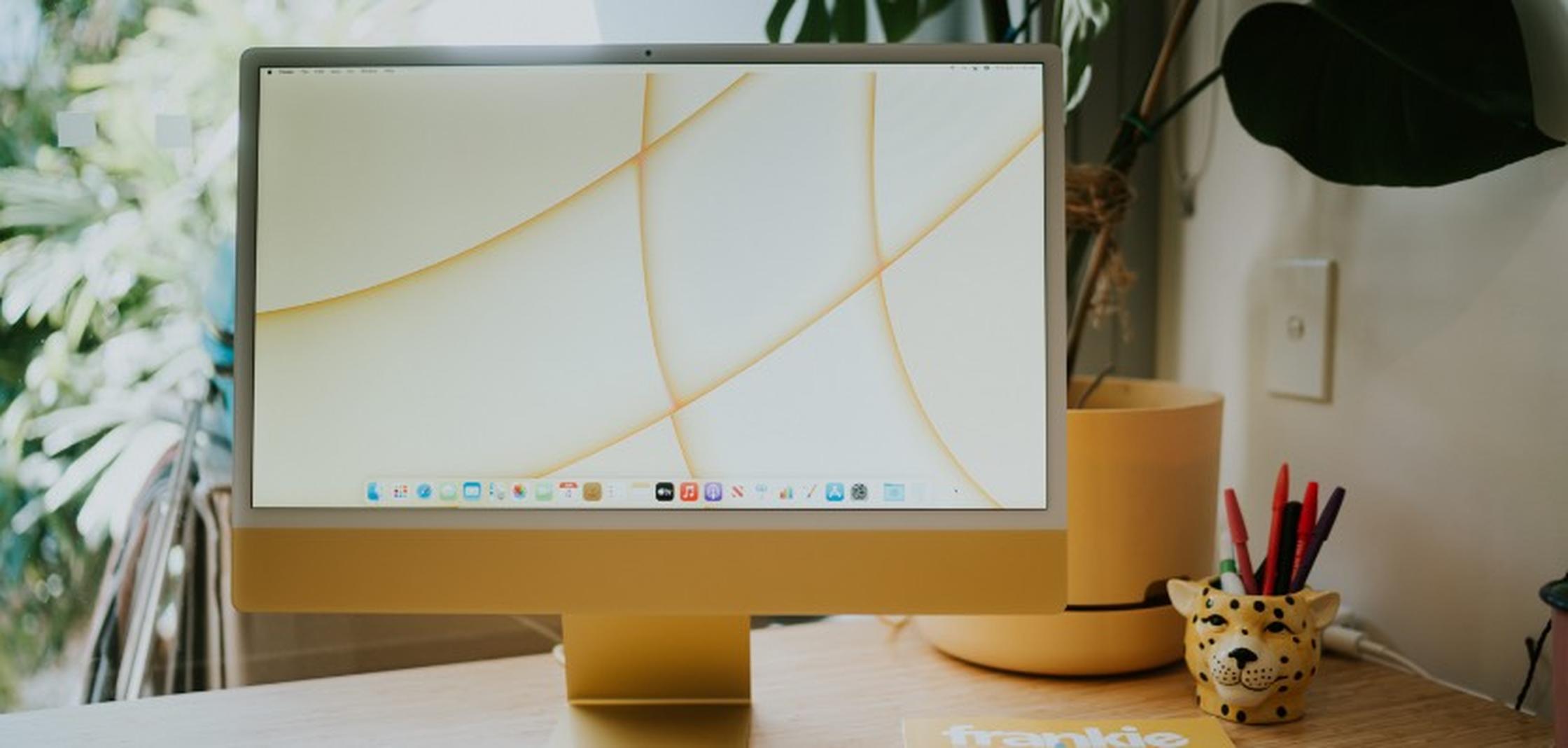
For those considering a desktop computer, a refurbished iMac can offer more than financial savings. It can also represent a meaningful step towards more responsible technology consumption.
Reducing Electronic Waste
Electronic waste, often referred to as e-waste, is one of the fastest-growing waste streams in the world. Computers, smartphones, tablets, and other electronic devices contain valuable materials, but they also include components that can be difficult to recycle effectively.
When functioning devices are discarded unnecessarily, valuable resources are lost and additional environmental pressures are created. Extending the lifespan of existing technology helps reduce the volume of equipment entering the waste stream.
Refurbishment plays an important role in this process. Rather than allowing a computer to be retired simply because a newer model has been released, refurbishment gives the device a second life.
Many iMacs remain fully capable of handling everyday tasks long after their initial ownership period has ended. By continuing to use these systems, consumers help reduce demand for premature disposal and replacement.
This simple decision can contribute to a more sustainable approach to technology ownership.
Lower Demand for New Manufacturing
Manufacturing a new computer requires significant amounts of energy, raw materials, and resources. Metals, plastics, glass, and electronic components must all be sourced, processed, transported, and assembled before the finished product reaches the customer.
Much of a device’s environmental impact occurs before it is ever switched on for the first time.
When a refurbished device is purchased, the need for manufacturing an additional new machine is reduced. While refurbishment itself requires resources, the environmental footprint is generally far lower than producing a completely new computer.
This reduction in manufacturing demand helps conserve resources and minimise the environmental impact associated with production processes.
As more consumers embrace refurbishment, the cumulative effect can become increasingly meaningful.
Making Better Use of Existing Resources
One of the principles of sustainability is maximising the value obtained from existing resources. Computers represent significant investments of materials, engineering, and energy.
Replacing them prematurely often means that much of their potential lifespan remains unused.
This is particularly relevant when discussing Apple hardware. Many iMac models are known for their durability and ability to remain productive for years. Strong build quality and long-term software support allow these systems to continue serving users effectively long after their original purchase date.
At the point where buyers begin evaluating alternatives to purchasing new equipment, a refurbished iMac often stands out as an example of how existing technology can continue delivering value without requiring additional manufacturing resources.
Using equipment for longer aligns closely with broader sustainability goals and encourages more responsible consumption habits.
Supporting a Circular Economy
The traditional model of consumption often follows a straightforward path: manufacture, purchase, use, and dispose. This approach places ongoing pressure on natural resources and generates increasing amounts of waste.
A circular economy takes a different approach by encouraging products to remain in use for as long as possible. Repairing, refurbishing, reusing, and recycling all contribute to extending product lifecycles and reducing unnecessary waste.
Refurbished technology fits naturally within this model. Rather than viewing a computer as disposable once a newer version becomes available, refurbishment recognises the continuing value of existing equipment.
Consumers who choose refurbished devices help support a market that prioritises reuse and resource efficiency.
This shift may seem small at an individual level, but widespread adoption can have a significant collective impact.
Encouraging More Sustainable Purchasing Habits
Environmental benefits extend beyond the computer itself. Choosing refurbished technology often encourages a broader change in purchasing behaviour.
Consumers who become comfortable buying refurbished devices may begin applying similar principles in other areas. This can contribute to a wider culture of reuse, repair, and resource conservation.
Businesses can also benefit from adopting more sustainable procurement strategies. Many organisations are seeking ways to reduce their environmental footprint while managing costs responsibly. Refurbished technology allows them to pursue both objectives simultaneously.
Employees, customers, and stakeholders increasingly value organisations that demonstrate a commitment to sustainability. Technology purchasing decisions can form part of this wider effort.
Balancing Performance and Responsibility
One reason refurbished iMacs have become increasingly attractive is that buyers no longer need to choose between environmental responsibility and practical performance.
Many refurbished systems remain highly capable of handling everyday workloads, including office applications, creative projects, communication tools, and professional software. Users can continue enjoying a premium computing experience while making a more sustainable choice.
This balance is important because environmental decisions are often easier to maintain when they do not require major sacrifices.
Choosing refurbished technology demonstrates that sustainability and usability can work together effectively.
As concerns about resource consumption and electronic waste continue to grow, refurbishment is likely to play an increasingly important role in the future of technology ownership. Extending the lifespan of existing devices reduces waste, lowers demand for new manufacturing, supports circular economy principles, and encourages more responsible consumption patterns.
For buyers seeking a desktop computer, a refurbished iMac offers an opportunity to combine performance, value, and sustainability in a single purchase. It shows that making environmentally conscious choices does not require compromising on quality or productivity.
By keeping capable technology in use for longer, consumers can contribute to a more sustainable future while continuing to enjoy the benefits of reliable and effective computing.


