

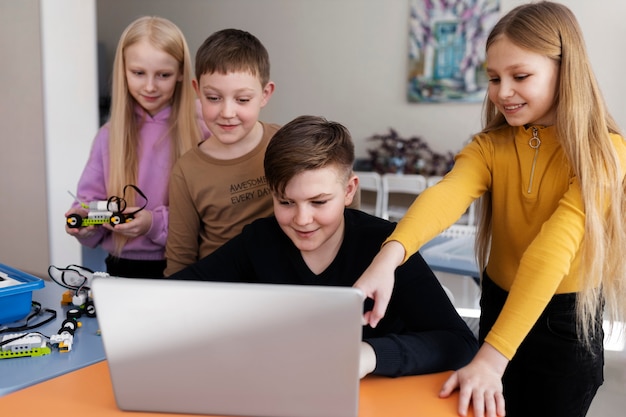
Introducing children to the world of coding is one of the most rewarding things you can do for their future. Not only does it spark creativity, but it also develops problem-solving skills and logical thinking. The beauty of programming for kids lies in its ability to combine learning with fun, turning complex concepts into engaging activities.
Let’s explore how you can make coding enjoyable, accessible, and empowering for children.
Why Coding Matters for Kids
Coding is more than just typing commands on a screen. It’s a skill that teaches kids how to think critically, collaborate, and innovate. In today’s tech-driven world, programming is akin to a new literacy. By starting early, children can build a strong foundation for careers in technology, science, or any field where computational thinking is valued.
But it’s not all about the future. Coding today can feel like play—filled with puzzles, games, and hands-on projects that captivate young minds. This is why fun coding for kids is such a powerful approach.
Choosing the Right Tools and Platforms
When it comes to teaching kids programming, the key is to use tools that are engaging and age-appropriate. Fortunately, there are numerous platforms designed specifically for young learners.
Scratch
Scratch, developed by MIT, is a visual programming language that allows children to create animations, games, and stories. Its drag-and-drop interface is perfect for beginner-friendly coding for children, as it eliminates the need to learn syntax while introducing essential programming concepts like loops and conditionals.
Code.org
Code.org offers free, interactive coding lessons for kids of all ages. With popular themes like Minecraft and Frozen, it makes coding irresistibly fun. The step-by-step tutorials guide kids through tasks, gradually building their confidence and understanding of programming.
Robotics Kits
For hands-on learners, robotics kits like LEGO Mindstorms or Arduino sets are fantastic. These kits combine coding with physical tinkering, letting kids see their code come to life in the form of robots that move, light up, or even talk.
Gamified Learning Apps
Apps like Tynker or Kodable turn coding into a game, where kids solve challenges and unlock levels. This gamified approach ensures they stay motivated and entertained.
Making Coding Fun and Interactive
The secret to fun coding for kids is to make it interactive and relatable. Children learn best when they can connect new knowledge to something they love.
Create Games
Kids love games, so why not let them design their own? Start with simple projects like creating a maze game or a quiz. Platforms like Scratch make this process easy, as kids can choose their characters, set rules, and experiment with outcomes.
Storytelling Through Code
For kids who enjoy writing or drawing, coding can be a medium for storytelling. Using tools like Scratch or Twine, they can craft interactive stories where readers make choices that shape the plot.
Coding with Friends
Collaborative projects make coding more exciting. Organize coding playdates or enroll kids in online coding clubs. Working with peers not only enhances learning but also fosters teamwork and creativity.
Real-Life Applications
Show kids how coding is used in the real world. Teach them to program a smart home device like Alexa or build a website about their favorite hobby. Relating coding to everyday life keeps them engaged and curious.
Overcoming Challenges
While teaching kids programming is rewarding, it’s not without its hurdles. Some children might get frustrated when things don’t work as expected. The key is to encourage a growth mindset. Celebrate their effort and emphasize that making mistakes is a natural part of learning.
Additionally, keep coding sessions short and sweet. Younger kids, especially, have limited attention spans. Short bursts of focused activity are far more effective than long, drawn-out lessons.
The Role of Parents and Teachers
Parents and teachers play a crucial role in fostering a child’s interest in coding. You don’t need to be a programming expert to guide them. Simply showing enthusiasm and curiosity can inspire children to explore further.
Provide access to resources, cheer them on, and let them take the lead. Sometimes, the best way to learn is to let kids experiment, fail, and try again.
Looking Ahead
As children progress, they can explore more advanced topics like Python, JavaScript, or even artificial intelligence. The key is to let their interests guide their learning. Whether they dream of creating video games, designing apps, or building robots, coding opens a world of endless possibilities.
By introducing programming for kids in a way that’s fun and interactive, you’re not just teaching them a skill—you’re giving them a toolkit to innovate, solve problems, and shape the future. So grab a coding app, sit down with your child, and watch as their imagination comes to life through code.
Coding isn’t just about computers; it’s about unlocking potential, one line at a time.


